Traveling to Ukraine Here Is What You Need to Know About Insurance
Traveling to Ukraine requires a reliable visit Ukraine insurance policy to ensure your safety and peace of mind. Comprehensive coverage protects against medical emergencies, trip cancellations, and unexpected disruptions. Secure your journey with a plan tailored to the region’s specific needs.

Why Travel Coverage Matters for Ukraine
Travel coverage for Ukraine is not a mere optional extra; it is a critical financial safeguard. The ongoing conflict means standard insurance policies routinely exclude war zones, leaving travelers exposed to crippling costs from air raid shelter evacuations, emergency medical transport, or trip cancellations linked to security alerts. Comprehensive travel insurance with war-risk provisions is the only way to ensure you are protected for hospitalization, delayed repatriation, and lost luggage in a volatile environment. Specialist policies now often include crisis response like security evacuation coordination, which can be a literal lifeline. Without this coverage, a single missile-related disruption could wipe out your entire travel budget. For journalists, aid workers, or even family visitors, this is non-negotiable risk management, not bureaucratic paperwork.
Mandatory requirements for crossing the border
In the chaos of February 2022, as air raid sirens wailed over Kyiv, I watched a family of five dash toward a border crossing—their suitcases stuffed with passports and travel documents, not valuables. That moment crystallized why travel coverage for Ukraine is a lifeline, not a luxury. When conflict erupts, standard policies often cancel or deny claims, leaving travelers stranded with no evacuation support, lost bookings, or medical emergencies in a war zone.
“A single insurance policy can mean the difference between escape and entrapment when borders close without warning.”
Comprehensive coverage includes:
- Emergency medical transport from active combat areas.
- War-risk cancellation and trip interruption reimbursements.
- 24/7 assistance for evacuation or relocation.
In Ukraine’s dynamic security environment—where drone strikes hit transport hubs and checkpoints shift overnight—insurance isn’t bureaucracy; it’s the promise that someone has your back when the sirens fall silent.
Risks unique to the current security environment
Travel coverage for Ukraine is essential in today’s volatile environment, as standard policies often exclude war zones. Comprehensive travel insurance provides a critical safety net for unexpected disruptions. This support covers medical emergencies, which are paramount amid infrastructure strain, and also handles lengthy evacuation logistics, trip cancellations due to security alerts, or loss of essential documents. Without it, travelers face staggering out-of-pocket costs for emergency medical evacuation, a service that can reach tens of thousands of dollars. While no policy removes risk, securing specialized coverage transforms unpredictable travel into a manageable, protected experience. It is not an option; it is a fundamental necessity for anyone entering the region, ensuring you are not left vulnerable during a crisis.
How standard policies differ from specialized plans
Travel coverage for Ukraine is not just a bureaucratic checkbox—it is a lifeline in a region where stability can shift without warning. Comprehensive travel insurance for Ukraine ensures you are protected against sudden medical evacuations, trip interruptions due to airspace closures, and loss of documents amid disrupted infrastructure. Modern policies now include war-risk riders and 24/7 emergency hotlines tailored to volatile environments, offering peace of mind when navigating checkpoints or unpredictable delays. Without it, a single incident could derail your mission or leave you exposed to overwhelming costs. Whether you are a journalist, aid worker, or visiting family, coverage transforms uncertainty into actionable safety, allowing you to focus on your purpose rather than the risks. Don’t leave for the frontlines of recovery or connection without a plan that defends your health, finances, and itinerary.
Types of Protection for Your Journey
When planning any journey, understanding the types of protection is essential for safety and peace of mind. Travel insurance is a fundamental safeguard, covering medical emergencies, trip cancellations, and lost belongings. Physical security measures, such as using anti-theft bags or personal safety alarms, help deter theft in crowded areas. Digital protection, including VPNs and secure password practices, is critical to prevent identity theft or data breaches on public Wi-Fi. Additionally, legal protection documents like emergency contacts and copies of your passport can expedite assistance in unforeseen situations. Selecting the appropriate mix of these protections depends on your destination, duration, and activities, ensuring a secure travel experience from departure to return.
Comprehensive medical and evacuation solutions
When planning any expedition, from a weekend hike to a cross-country road trip, the right safeguards turn potential disasters into mere anecdotes. The most critical shield is travel insurance against trip cancellations, covering lost luggage, medical emergencies, and sudden itinerary changes. I once watched a fellow traveler’s entire savings vanish after a flight delay missed a cruise—plastic coverage could have saved it. For physical safety, consider layering your defenses: a basic first-aid kit for scrapes, emergency cash visit ukraine insurance for stranded moments, and a portable charger to keep your lifeline alive. Digital risks also lurk, so use a VPN on public Wi-Fi.
Q: What is the single most overlooked protection? A: A simple photocopy of your passport stored separately from the original.
Trip cancellation and interruption safeguards
Securing your journey requires a layered approach to travel protection essentials. Physical safety begins with robust luggage locks, anti-theft backpacks, and a reliable portable door lock for accommodations. Health protection demands comprehensive travel insurance covering medical evacuation, alongside a well-stocked first-aid kit and necessary vaccinations. Digital security is non-negotiable: use a VPN for public Wi-Fi, enable two-factor authentication on all accounts, and store backup copies of documents securely in the cloud.
- Financial safeguards: Notify your bank, carry multiple payment methods, and keep emergency cash in a hidden pouch.
- Legal & personal: Register with your embassy, have a digital copy of your passport, and memorize emergency contact numbers.
Q: Which protection type is most critical?
A: Comprehensive travel insurance is non-negotiable—it covers medical, trip cancellation, and lost baggage, making it your safety net for any unexpected disruption.
Baggage loss and delay coverage
Comprehensive travel protection covers multiple layers of risk. Health insurance is essential for medical emergencies abroad, while trip cancellation or interruption insurance recovers non-refundable costs. Baggage protection reimburses lost, delayed, or damaged luggage. For technology, device insurance covers theft or accidental damage. Personal liability coverage protects against legal claims. Cybersecurity tools are also vital; use a VPN on public Wi-Fi to encrypt data and secure personal information. Additional types include rental car damage waivers and emergency evacuation plans. Combining these protections ensures you are prepared for unexpected disruptions, theft, or health issues, making your journey safer and less stressful.
War and political violence exclusions explained
Comprehensive travel protection begins with separate policies for distinct risks. Medical evacuation insurance is non-negotiable if you venture near remote areas or high altitudes. For trip cancellation, look for “cancel for any reason” clauses, which reimburse 50–75% of pre-paid costs when you cancel due to stress, work, or personal fear. Baggage coverage should explicitly include electronics and prescription meds; standard policies cap these at very low amounts. Adventure riders often overlook gear-and-activity extensions—your standard plan rarely covers backcountry rescue or helicopter evacuation. Finally, always check your home health insurance’s overseas limits; many pay only for emergencies within a 50-mile radius of your permanent address.
- Medical Evacuation: Covers helicopter or air-ambulance transport to adequate care.
- Trip Cancellation: Reimburses nonrefundable deposits for covered reasons (illness, death, job loss).
- Baggage & Delay: Provides cash for lost luggage; some policies offer daily allowances if bags arrive late.
Choosing the Right Provider
Selecting a reliable cloud service provider requires a methodical evaluation of security protocols, compliance certifications, and uptime guarantees. Businesses must assess scalability options and pricing models to avoid vendor lock-in or unexpected cost overruns. Critical factors include data center locations, latency performance, and disaster recovery capabilities. It is equally important to review the provider’s service-level agreements (SLAs) for response times and compensation terms. Referencing independent audits and customer case studies can validate performance claims. Ultimately, the right provider aligns with an organization’s technical requirements and long-term growth plans.
International insurers versus local options
Selecting the right provider for your needs requires a methodical evaluation of service reliability, cost transparency, and customer support. Comparative provider analysis helps identify which vendor aligns best with your specific requirements, whether for web hosting, utilities, or professional services. A clear checklist can streamline this decision:
- Verify uptime guarantees and service-level agreements (SLAs).
- Review pricing structures for hidden fees or tier limitations.
- Assess customer support channels and response times.
- Check independent reviews and industry certifications.
Q: What is the most common mistake when choosing a provider?
A: Focusing solely on the lowest price without examining contract terms, scalability, or exit policies often leads to hidden costs or poor long-term support.
Key factors to compare when selecting a plan
Choosing the right provider can feel overwhelming, but focusing on your specific needs makes it simpler. Start by reading customer reviews and comparing service levels, not just price. A provider that offers reliable customer support responsiveness can save you major headaches down the road.
- Check for transparent pricing with no hidden fees.
- Look for flexible contract terms that fit your usage.
Always prioritize consistency over the cheapest option—it’s the quickest way to avoid downtime.
Don’t forget to ask about scalability, so your service grows with you. A trusted provider becomes a quiet partner in your daily success.
Reading the fine print for conflict zones
Selecting a cloud service provider requires a methodical evaluation of technical capabilities and business alignment. Key factors include uptime guarantees, data residency options, and security certifications that match your compliance needs. Scalability and transparent pricing models are critical to avoid unexpected costs as your usage grows.
- Assess service-level agreements (SLAs) for uptime and support response times.
- Verify integration compatibility with your existing tools and workflows.
- Review exit strategies and data portability provisions to prevent vendor lock-in.
Prioritize providers that offer robust documentation and a clear roadmap for future feature releases.
Conduct a pilot test with a non-critical workload to measure real-world performance. Comparing at least three vendors on these criteria helps ensure an informed decision that supports long-term operational stability.
Step-by-Step Application Process
Begin by thoroughly researching program prerequisites to confirm eligibility. Next, gather all required documents, including transcripts, identification, and letters of recommendation, ensuring they are certified if necessary. Then, complete the application form meticulously, double-checking for errors before submission. Pay the non-refundable fee and secure payment confirmation. For digital submission success, upload all files in the specified format and verify upload completeness. Finally, track your application status through the designated portal for updates. Expert verification of every step reduces rejection risk and expedites processing. This systematic approach ensures compliance and professionalism at every stage.
Documents needed for a smooth sign-up
To ensure a smooth submission, begin by verifying all eligibility requirements for the specific program. Gather your official transcripts, a polished resume, and a statement of purpose tailored to the institution’s mission. Complete the online form carefully, double-checking each field for accuracy. Upload your documents in the required format, typically PDF, and pay the non-refundable fee. Finally, review a confirmation email for any additional steps, such as an interview or portfolio submission.
Online purchase versus agency assistance
To apply, begin by researching eligibility requirements on the official program website. Next, gather all necessary documents, such as transcripts, identification, and letters of recommendation. Complete the online application form, ensuring all fields are accurate. Submit the form along with the application fee before the stated deadline. You should then monitor your email for a confirmation receipt and any requests for additional information. Finally, check the application portal regularly for status updates.
- Review eligibility criteria thoroughly.
- Prepare required documentation.
- Fill out the online application form completely.
- Pay the non-refundable fee.
- Submit before the deadline and track your status.
Payment methods and currency considerations
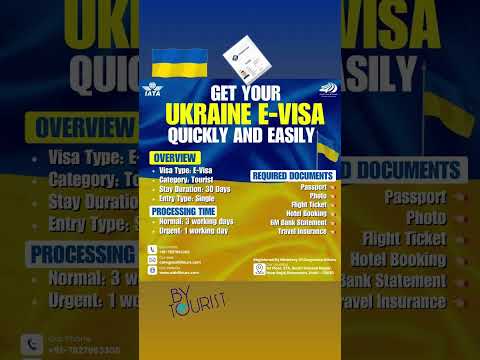
Begin by thoroughly reviewing all eligibility criteria for the specific program or position, as missing a single requirement can void your application. Next, gather every necessary document—such as transcripts, identification, and a tailored CV—and ensure each file meets the specified format and size limits. Accurately completing the online application form with consistent information is crucial to avoid delays. After submission, always verify receipt via an automated confirmation email; if one doesn’t arrive within 24 hours, contact the support team directly. Finally, track any follow-up instructions, such as scheduling an interview or completing an assessment, to demonstrate your proactive commitment.
Cost Expectations and Budgeting
Effective project management hinges on realistic cost expectations and budgeting. Begin by breaking down the entire scope into granular tasks, then research current market rates for labor, materials, and permits. Always include a contingency fund of 10–20% to absorb unforeseen expenses like supply chain price hikes or scope creep. For long-term projects, factor in quarterly inflation adjustments. A common pitfall is underestimating soft costs such as insurance, legal fees, and post-completion maintenance. Leverage historical data from similar initiatives and use rolling forecasts rather than static spreadsheets. Regularly benchmark your actual spend against the baseline—if you’re exceeding by 15% in the first quarter, reassess your resource allocation immediately. This proactive approach prevents budget overruns and ensures your financial plan aligns with strategic goals.
Average premiums for short stays
Accurate cost expectations are the bedrock of any successful project budget. Without a data-driven estimate, you risk scope creep and financial overruns. Start by breaking down all phases into specific line items, including labor, materials, permits, and a 10–20% contingency fund for unforeseen issues. Realistic project budgeting demands you compare at least three vendor quotes and factor in seasonal price fluctuations for materials. Key steps to control costs include:
- Define the full scope of work before seeking any bids.
- Use historical data from similar projects to validate your estimates.
- Negotiate fixed-price contracts where possible to avoid hourly surprises.
By planning for hidden expenses like delivery fees or code compliance upgrades, you transform a guess into a reliable financial roadmap that protects your bottom line.
Factors that influence pricing
In the beginning, every project feels like a dream, with costs just numbers on a page. But old hands know that realistic cost expectations are the anchor that keeps a project from drifting into ruin. Early on, I learned to build my budget around a simple truth: the initial quote is never the final number. A proper plan includes:
- A 10–15% contingency buffer for surprises
- Separate line items for permits, labor, and materials
- Weekly tracking against actual spend
That humility saved my savings. By anticipating overruns, I avoided the panic of mid-project scrambles. Budgeting isn’t about limiting dreams; it’s about giving them a stable foundation to grow on.
Discounts for extended trips or groups
When Mia first started her renovation, she learned that cost expectations are often the trickiest part of any project. She began with a clear number in her mind, but hidden fees for permits and material price hikes quickly blurred the picture. To stay on track, she built a **realistic budget for home improvement** that included a 15% contingency buffer. Her strategy was simple but effective:

- Get three quotes before hiring any contractor.
- Track every expense, even small hardware store receipts.
- Prioritize needs over wants—structural repairs came before fancy tiles.
By the final week, Mia had avoided financial surprises. Her spreadsheet showed she was under budget by a slim margin, proving that disciplined planning can turn a stressful renovation into a story of smart control.
What to Do If You Need Help
The old raft had splintered against the rocks, and the current was pulling me sideways. Panic felt like a stone in my chest, but the first rule of surviving is to breathe. Before you do anything else, pause and assess your situation. Are you physically safe? Can you reach out to someone nearby? In that moment, I spotted a fallen tree arching over the river. I yelled—loud and clear—until a hiker heard me. She called emergency services, and within an hour, a rescue boat arrived. Most help begins with a single, honest signal. Whether you need first aid, directions, or emotional support, the bravest action is to speak up. Ask a stranger, call a helpline, or text a friend. You are not alone, and help is available when you let yourself be found.
24/7 assistance hotlines and contacts
If you need help, first identify the type of assistance required, such as emotional support, financial aid, or technical guidance. Seeking professional support is a practical first step, which may involve contacting a licensed therapist, a social worker, or a certified financial advisor. For immediate crises, dial emergency services like 911 in the U.S. or call a dedicated hotline, such as the National Suicide Prevention Lifeline at 988. Online resources often provide step-by-step tutorials or community forums for less urgent issues. If you need help navigating complex systems, consider reaching out to a local non-profit or a government agency for structured assistance. Remember, asking for help is a proactive way to solve problems effectively.
Filing a claim from inside the country
When you need help, the first step is to identify reliable support systems you can reach quickly. Start by telling a trusted friend, family member, or colleague about your situation; speaking aloud often clarifies the problem. For professional guidance, contact a licensed therapist, counselor, or your employer’s Employee Assistance Program. In urgent moments (suicidal thoughts, abuse, or danger), dial emergency services or a crisis hotline—like 988 in the U.S. for mental health support. Many communities also offer free walk-in clinics, peer support groups, or online chat services. Remember, asking for assistance isn’t weakness; it’s a proactive step toward solving the issue faster. You don’t have to navigate challenges alone.
Emergency evacuation procedures
When challenges feel overwhelming, knowing what to do if you need help can turn panic into progress. First, identify a trusted person—a friend, family member, or colleague—and speak openly. Reaching out for support is a strength, not a weakness. Next, consider professional resources: therapists, hotlines, or community centers often provide immediate guidance. For practical issues like debt or housing, search for local non-profits or government aid programs. Every step you take toward help is a step away from isolation. Finally, write down your goal and share it with someone who will check in—this builds accountability and momentum. You are not alone, and action leads to relief.
Legal and Entry Requirements

When planning your trip, the first thing to check is your passport validity, as many countries require it to be valid for at least six months beyond your travel dates. Visa policies vary wildly—some nations offer visa-free access or visa-on-arrival, while others demand a strict pre-approved application. Always double-check the official government travel advisories because rules change fast. You’ll also need to prove you have a return ticket and enough funds for your stay, and don’t forget about customs restrictions on items like food or electronics. For a smooth entry, ensure your travel documents are organized; otherwise, you could face delays or denial at the border. One key term to remember is ETIAS, which will soon be required for visa-exempt travelers to parts of Europe. Keep copies of everything handy and stay informed to avoid surprises.
Proof of coverage at passport control
Travelers must ensure their passport is valid for at least six months beyond their intended departure date, as many countries enforce this rule strictly. Understanding visa requirements is crucial; some nations offer visa-free entry for short stays, while others require an approved visa or an Electronic Travel Authorization (ETA) obtained online prior to arrival. Key requirements typically include: a completed arrival form, proof of onward or return travel, and evidence of sufficient funds for your stay. Always verify current regulations with the official embassy website, as policies can change without notice. Failure to meet entry rules can result in denial of boarding or immediate deportation, so double-check your documentation well in advance.
Compliance with Ukrainian regulations
Before you travel, sorting out the passport and visa rules is the most important step. Most countries require your passport to be valid for at least six months beyond your departure date. You’ll also need to check if you require a visa—some destinations offer visa-free entry for short stays, while others demand an application weeks in advance. Always verify the specific entry requirements for your nationality on the official embassy website, as rules change quickly.
- Ensure your passport has blank pages for entry and exit stamps.
- Carry printed copies of your travel itinerary and return flight ticket.
- Check if vaccination proof (like Yellow Fever) is mandatory for entry.
Visa implications for certain nationalities
Before you pack your bags, you’ll need to sort out the legal and entry requirements that apply to your destination. Most countries require a valid passport with at least six months of validity beyond your stay, and many demand a visa obtained well in advance. Check if you need an electronic travel authorization (ETA) or a traditional visa sticker—processing times vary wildly. Always verify the latest rules on the official embassy website, as policies can shift overnight. You might also need proof of onward travel, like a return ticket, and sufficient funds for your trip. Some nations still require vaccination records, such as yellow fever for certain regions. Customs regulations limit what you can bring, so leave prohibited items at home to avoid fines.
Common Mistakes to Avoid
One big pitfall is confusing homophones like “their,” “there,” and “they’re,” which can instantly make your writing look sloppy. Another common e whoops is overusing adverbs when a stronger verb would do the job—saying “he sprinted” packs more punch than “he ran quickly.” Also, watch out for comma splices, where you join two complete sentences with just a comma instead of a period or a conjunction. They make your flow feel rushed. Lastly, avoid writing overly long sentences that bury your main point; shorter, clearer chunks are easier for readers to digest. Keep it tight, and you’ll sound more natural.
Overlooking pre-existing condition clauses
Learners often trip over false friends, like mistaking “actual” for “current,” which muddles meaning. Avoiding overcomplicating sentences keeps your message crisp and clear, yet many cram in clauses until clarity collapses. I once heard a student say “I am boring” instead of “I am bored,” turning a confession into a dull lecture. Watch for these slips:
- Misplaced modifiers: “Running fast, the road seemed endless” makes the road sprint.
- Subject-verb agreement: “Everyone are ready” sounds like a chorus of chaos.
- Double negatives: “I don’t got no time” cancels itself into nonsense.
Stick to simple tenses and proofread aloud—your ear catches what your eye skips.
Assuming your home policy extends abroad
When I started writing, I thought tossing in fancy words made me sound smart—until readers yawned. The biggest trap is overcomplicating sentences. Keep it clear; clarity beats complexity every time. Common pitfalls include:
- Misplacing modifiers, like “I saw a dog walking down the street” (was the dog walking?).
- Confusing “your” and “you’re” or “its” and “it’s.”
- Using passive voice when active would punch.
A single well-placed comma can save you from sounding like a robot. Avoid these and your words will flow like conversation, not a textbook.
Ignoring coverage gaps for adventure activities
When striving for proficiency, common mistakes to avoid in language English include overusing literal translations from one’s native tongue, which often produces awkward phrasing. A frequent error is confusing “its” (possessive) with “it’s” (contraction), as well as misapplying homophones like “there,” “their,” and “they’re.” Another pitfall involves incorrect prepositions, such as saying “interested on” instead of “interested in.” Additionally, many learners struggle with subject-verb agreement, for example “the list of items are” instead of “the list of items is.” Redundancy also weakens clarity—phrases like “repeat again” should be simplified. Finally, avoid arbitrarily splitting infinitives or ending sentences with prepositions in formal writing. These patterns undermine both comprehension and credibility.